A photographic study
In
Relation
Devon · Wiltshire · London
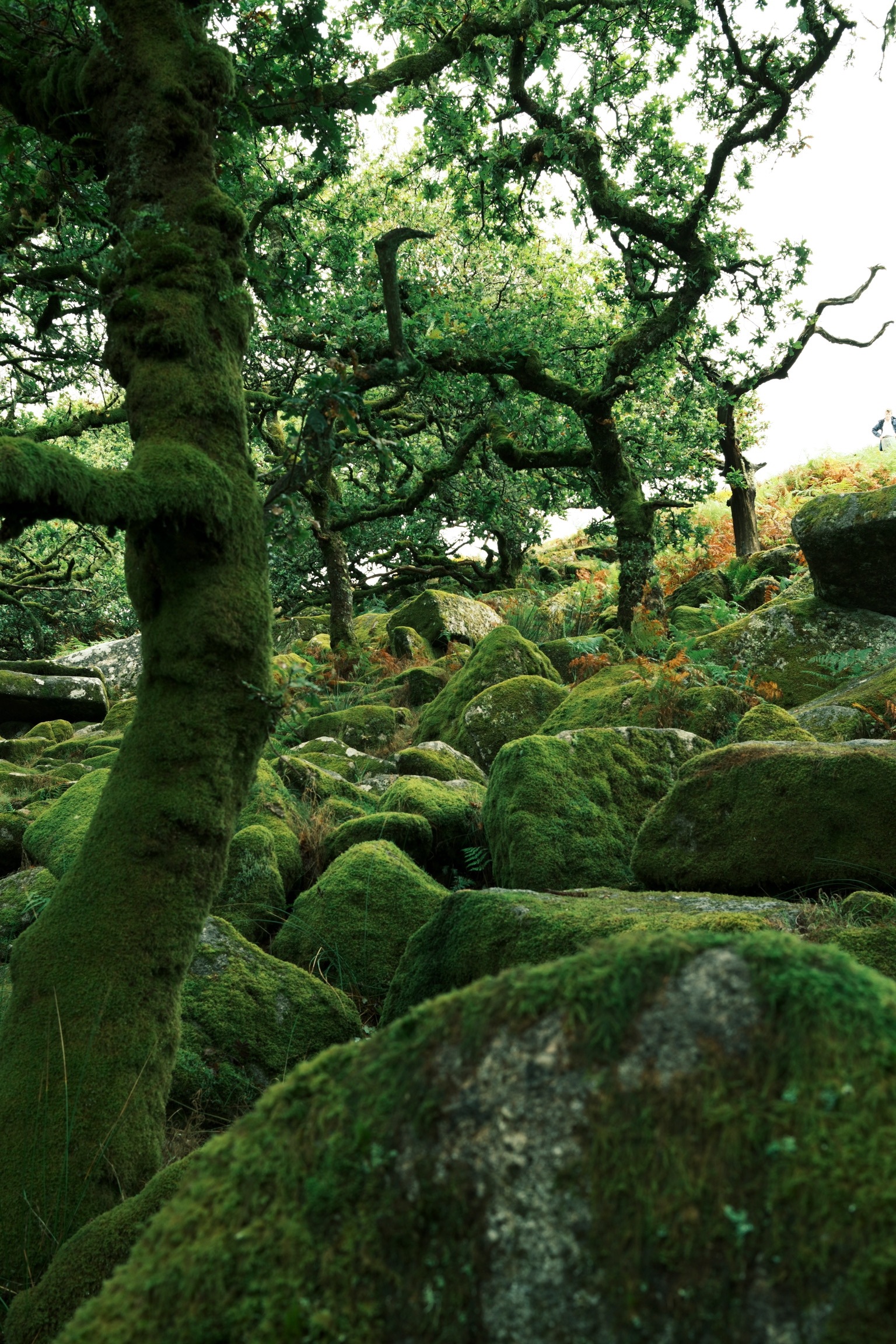
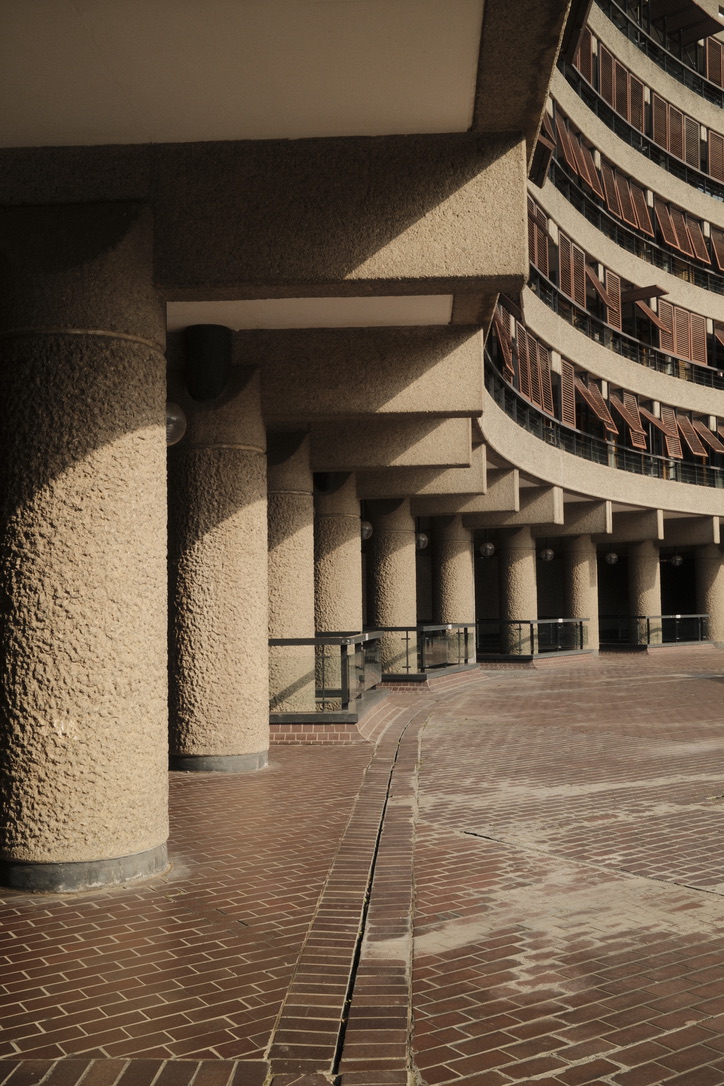
These photographs begin where the ordinary opens: a frame alters reality, lichen writes across stone, sunlight makes temporary architecture. As I followed these openings, I found I was no longer asking what a place contained, but how it made relation visible. Across Devon, Wiltshire and London, each image attends to the relations through which a place becomes legible and alive.
01
Frames
I began with doorways. They seemed to offer a simple composition: darkness around an opening, one place held inside another. But the longer I looked, the less stable the division became. A doorway does not merely separate here from there. It makes each side newly visible.
A threshold is an ecotone, a zone where different conditions meet and something particular can emerge. The camera creates another such edge. The lens cuts a portion from the world, then asks me to stay with what remains inside it.
When that attention deepens, I disappear a little. The urge to master the scene gives way to being changed by it. This interrupts habits I have learned from modern Western culture: to stand apart, name quickly, and treat the living world as background. The frame can reinforce those habits, but it can also expose them.
02
Stories
Earth communicates beyond the written word—in vibration, rhythm, pattern, weathering and the body’s response.
Lichen writes across stone; roots hold memory; a fern turns towards light.
Matter is never mute, and no surface holds only one story.
03
Conversations
The camera becomes a practice of embodied attention: less a way of taking hold of a place than of entering a conversation already underway.
Kinship begins when the world stops being backdrop and looks back. Attention becomes a form of disappearance.
Artist statement
To disappear
into attention
When I photograph, I disappear a little. Attention shifts from me to the conversations already underway.
I am drawn to ecotones: doorways, reflections, ruins, the meeting of lichen and stone, the moment light turns an ordinary surface into a threshold. These are places where categories loosen and more than one way of seeing can coexist.
The camera helps me attend to forms of communication beyond the written word—to pattern, rhythm, vibration, growth and the body’s response. A landscape is not a silent backdrop but a gathering of stories, agencies and relations in which I am already entangled.
Wonder is not an escape from the mundane. It is a way of entering it more fully: becoming receptive enough that the familiar world can grow strange, speak back and exceed the meanings I have given it.
Recurring motifs
- frames & world-making
- ecotones & emergence
- language beyond words
- embodied attention
- kinship & resonance
- ordinary wonder